Tag Archives: Kroniske smerter

Kroniske smerter

Lever du med smerter, der aldrig rigtig forsvinder? Ledsmerter, muskelspændinger og vedvarende ømhed kan tage magten over hverdagen, og stadig flere danske forbrugere leder efter naturlige alternativer, der kan give lidt mere ro i kroppen og overskud i dagligdagen fremover.

CBD-olie undersøges for sine antiinflammatoriske og smertelindrende egenskaber, men det er ikke en godkendt behandling og kan ikke kurere kroniske lidelser. Effekten varierer fra person til person, og du bør altid tale med din læge, inden du bruger CBD som supplement til eksisterende behandling.

CBD oil for fibromyalgia – natural support for chronic pain

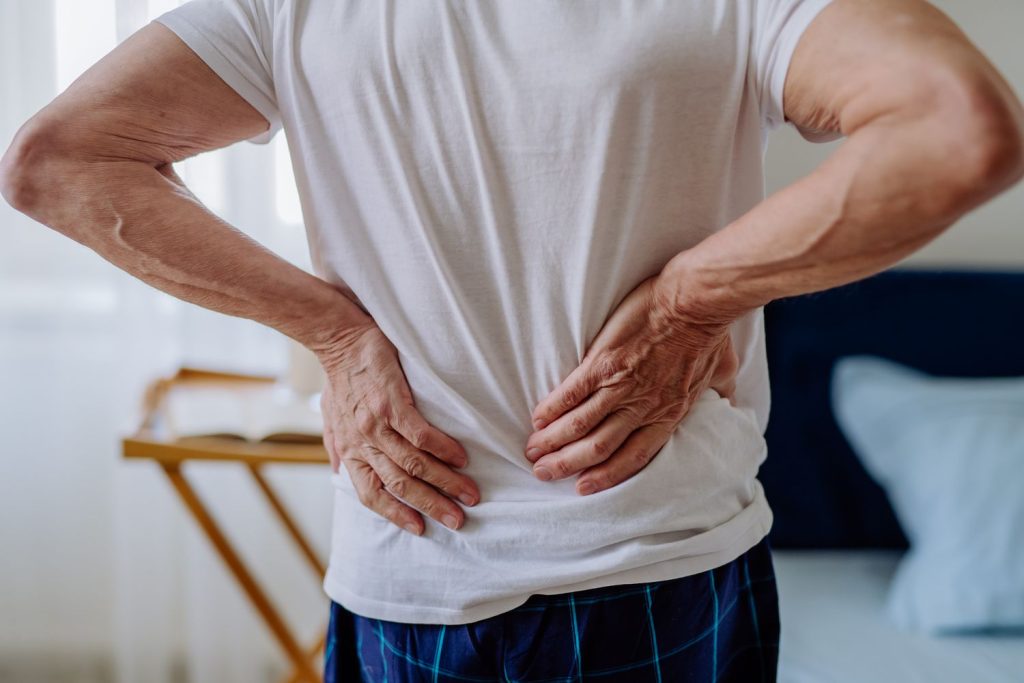
Smerter i ryggen – CBD
Senest opdateret: August 2026

CBD Oil & Fibromyalgia – What Research, Real-Life Stories & New Theories Suggest

Fibromyalgia is estimated to affect around 2–4% of adults in many countries – most of them women – and can touch every part of daily life:
pain, sleep, energy, mood and the feeling of being “yourself”.
As a result, more and more people are exploring CBD oil alongside fibromyalgia as a way to support quality of life, recovery and inner balance.
In this guide, we walk through current research, the endocannabinoid system, and how CBD is often used as a complementary tool – never a replacement for medical care –
for people who want to give themselves a real chance at softer days and calmer nights.

Fibromyalgia is a chronic pain syndrome that involves muscles, joints and the nervous system.
Classic treatments can help – but many people still feel they are “only surviving”.
That is one reason why interest in plant-based options such as CBD oil has grown so strongly in recent years.

CBD is not a cure and not an official medicine for fibromyalgia.
At the same time, research is exploring how CBD interacts with the body’s

endocannabinoid system (ECS)
, a regulatory network involved in pain signalling, stress response, sleep and mood.
For some people, this has opened the door to a more hopeful, holistic way of working with their symptoms.

Below we go through what the science actually says, how theory and practice fit together – and how CBD is usually introduced step by step as a gentle
addition to an existing fibromyalgia plan.

Quick facts: CBD & fibromyalgia

  • Prevalence: Fibromyalgia affects roughly 2–4% of the population in many countries according to rheumatology organisations such as the American College of Rheumatology and public health data.
  • Key features: Widespread pain, fatigue, sleep problems, “fibro fog” and fluctuating sensitivity to stress and stimuli.
  • CBD & ECS: CBD interacts with the endocannabinoid system, which helps regulate pain, mood, stress, inflammation and sleep–wake cycles.
  • Research: Studies are exploring medical cannabis and cannabinoids in fibromyalgia and chronic pain, but most data come from products that combine THC and CBD – not pure, THC-free CBD supplements.
  • Forms: CBD oil, capsules and topical creams/balms are the most common ways people experiment with CBD as a complement.

What is fibromyalgia?

Fibromyalgia is a long-term condition characterised by widespread musculoskeletal pain, often combined with
pronounced fatigue, unrefreshing sleep and cognitive difficulties such as problems with focus and memory (“fibro fog”).
Rheumatology and pain specialists increasingly describe it as a central sensitisation syndrome – the nervous system becomes more sensitive, and pain signals can be amplified.

The exact cause is still unknown. Research points to altered pain processing in the brain, possible imbalances in neurotransmitters like serotonin and norepinephrine,
and interactions between stress, trauma, sleep and genetics. Public health bodies such as the
CDC
estimate that millions of adults live with fibromyalgia, often with a big impact on work and daily life.

Common symptoms

  • Chronic widespread muscle pain and tenderness
  • Stiffness in back, neck and joints
  • Sleep disturbances and non-restorative sleep
  • Persistent fatigue and low stamina
  • Tingling or numbness sensations
  • Concentration difficulties and “brain fog”
  • Fluctuating pain sensitivity, often affected by hormones, weather, stress and overexertion

CBD and the endocannabinoid system (ECS)

CBD (cannabidiol) is a non-intoxicating cannabinoid from hemp.
It does not create a “high”, but it can influence signalling in the endocannabinoid system and other receptor systems in the body.
The ECS helps regulate pain, mood, stress, immune response, digestion and sleep.
A good scientific overview of the ECS can be found in the review

“The Endocannabinoid System: Overview and Therapeutic Opportunities”
.

Neurologist Ethan Russo has proposed the hypothesis of
clinical endocannabinoid deficiency (CECD) – the idea that certain chronic conditions, including migraine,
irritable bowel syndrome and fibromyalgia, might be linked to an under-functioning or imbalanced ECS.
This is discussed in his papers on CECD, for example in

“Clinical Endocannabinoid Deficiency Reconsidered”
.
The concept is still a theory, not proven fact – but it offers a framework for why some people with fibromyalgia
report improved comfort and wellbeing when cannabinoids are added to their routine.

What does research say about cannabinoids & fibromyalgia?

The research field is still young, but several studies have looked at medical cannabis in fibromyalgia.
Keep in mind: most of these use products that include THC (not just CBD), are prescribed under medical supervision and are not the same as standard THC-free CBD supplements.

  • Fiz et al., 2011 (Spain) – In a study of fibromyalgia patients who used cannabis, many reported improvements in pain,
    stiffness, relaxation and perceived wellbeing compared with non-users.
    The study was observational, so it cannot prove cause and effect, but it shows how some patients experience meaningful relief.
    You can read it here:

    PLOS ONE – “Cannabis Use in Patients with Fibromyalgia”
    .
  • Sagy et al., 2019 (Israel) – A prospective study followed fibromyalgia patients receiving medical cannabis for six months.
    Many reported reduced pain and improved quality of life, and most tolerated the treatment well.
    However, dosages and THC/CBD ratios varied.
    Full article:

    “Safety and Efficacy of Medical Cannabis in Fibromyalgia”
    .
  • Systematic reviews (e.g. Strand et al., 2023) – Recent reviews conclude that cannabinoids may help relieve fibromyalgia pain for some patients,
    but that studies are small, varied and not yet strong enough to give clear, universal recommendations.
    One example:

    “Cannabis for the Treatment of Fibromyalgia: A Systematic Review”
    .

Taken together, research points toward potential benefits of cannabinoids for some people with fibromyalgia,
particularly when it comes to pain and quality of life.
At the same time, the evidence is still limited and focused largely on medical cannabis with THC.
THC-free CBD supplements – like those many people buy online – are less studied on their own, so it makes sense to approach them with both hope and realism:
they may help, especially for sleep and stress, but results are individual.

How people use CBD alongside fibromyalgia in everyday life

There is no single “right” way to use CBD with fibromyalgia.
The most important thing is to introduce it in a structured, patient way that lets you actually see whether it is helping.
Many people use CBD as a complement in three main areas:

  • Sleep & evening calm: a small serving of CBD oil in the evening to support winding down, deeper rest and fewer night-time awakenings.
  • Daytime stress & overload: a low dose in the morning or midday to soften “fight-or-flight” responses and help the nervous system feel less overstimulated.
  • Local tension: CBD balms or creams applied directly to tense areas such as neck, shoulders, lower back or around trigger points as an extra layer of comfort.

Many of our own customers describe CBD as the first tool that actually gave them the feeling of “having a little more room inside” –
more space to rest, recover and handle pain without falling apart every time life gets heavy.
For others, the effect is milder but still valuable: slightly better sleep, a bit softer mornings, or fewer days where everything feels impossible.

Example dosing principles (general, not medical advice)

CBD form Typical starting level Onset time (approx.) Duration (approx.)
CBD oil (5–15%) 2–3 drops under the tongue, 1–2 times per day ~15–30 minutes 4–6 hours
CBD capsules Around 10–25 mg CBD per day ~60–120 minutes 6–8 hours
Topical cream/balm Apply a thin layer on the area as needed ~10–30 minutes 2–6 hours (varies by individual)

Tip: Start low, increase slowly and give your routine at least 2–4 weeks before you decide whether CBD helps you.
Many people keep a very simple diary (pain, sleep, energy, mood) to see changes over time.
If you take prescription medicines, always talk to your doctor or pharmacist before making larger dose changes.

FAQ – CBD and fibromyalgia

Can CBD cure fibromyalgia?

No. There is currently no cure for fibromyalgia.
CBD cannot “cure” the condition or replace medical treatment.
What it can do for some people is support sleep, stress handling and how the nervous system processes discomfort – which can make life with fibromyalgia feel more manageable.

Is there a best CBD form for fibromyalgia?

Not really – the best form is the one you will actually use and can afford.
Many people start with CBD oil because it is flexible and easy to adjust.
Others prefer capsules for simplicity or add a topical cream for specific areas of tension.
You can also combine forms (for example, oil in the evening + balm locally).

Is CBD legal in Europe / my country?

In many European countries, CBD products from authorised industrial hemp with very low or non-detectable THC are allowed,
as long as they follow national rules on labelling, THC limits and how they are marketed.
However, details differ between countries, and some treat ingestible CBD as a “novel food” with stricter requirements.
Always check the current rules where you live and choose brands that publish independent lab reports and clear information.

Are there side effects?

Human studies suggest that CBD is generally well tolerated in adults, even at relatively high doses,
but mild side effects can occur – especially if you take too much too quickly.
The most commonly reported are:

  • Slight drowsiness or heavier feeling in the body
  • Dry mouth
  • Digestive discomfort or looser stools
  • Changes in appetite

CBD can also affect how the liver breaks down certain medicines (via CYP450 enzymes).
If you are taking prescription drugs – especially blood thinners, anti-epileptics or certain antidepressants – talk to your doctor or pharmacist before you add CBD.

Read also: CBD oil for rheumatism and osteoarthritis

Read also: Natalie’s story: Cannabis oil gave me my life back

CBD oil for rheumatism and osteoarthritis

CBD Olie mod Reumatisme

Senest opdateret: August 2026

Inflammation-related joint conditions such as osteoarthritis and inflammatory arthritis affect everyday life for many people across Europe, often for years. Symptoms can range from occasional stiffness to more persistent pain, swelling and fatigue – with consequences for mobility, sleep and energy in day-to-day life.

This guide gives an overview of how CBD oil is sometimes discussed as a possible food supplement in the context of joint health – with a focus on caution, safety, different product forms, basic dosing principles and everyday routines. The text is not medical advice and does not replace consultation with healthcare professionals.

CBD oil and joint health – osteoarthritis, inflammatory arthritis & inflammation

Osteoarthritis and inflammatory arthritis (such as rheumatoid arthritis) are among the most common joint conditions in Europe. They can lead to periods of stiffness, pain and reduced mobility, but how strongly they affect everyday life differs greatly from person to person. At the same time, many people look for ways to support their day-to-day wellbeing – not only through medicines and healthcare, but also via movement, sleep, stress management and sometimes food supplements like CBD oil.

CBD oil is not a medicine and is not a treatment for osteoarthritis, rheumatoid arthritis or any other joint disease. However, CBD is sometimes mentioned as a possible complementary option that some individuals choose to explore alongside established treatments and lifestyle changes.

Quick overview

  • CBD: A non-intoxicating cannabinoid from hemp that does not produce a “high”.
  • Use: Sold in many European countries as THC-free food supplements and used by some people as a voluntary addition to their daily routine.
  • Safety: International reviews describe CBD as having a relatively good safety profile at typical doses, but side effects and interactions can occur.
  • Research: Studies are exploring CBD in relation to inflammation and pain, but the evidence for joint diseases is still limited and does not allow firm treatment recommendations.
  • User experiences: Some people report subjective changes in everyday comfort, while others do not notice any difference at all.

What are osteoarthritis and inflammatory arthritis?

Osteoarthritis

Osteoarthritis is the most common joint condition in many European countries. It is often associated with gradual changes in the joint cartilage that can lead to stiffness and pain. Public health data from organisations such as the NHS show that millions of adults live with osteoarthritis, especially in older age groups.¹ Typical symptoms include pain on load, swelling and reduced range of motion – but both intensity and impact on daily life vary widely between individuals.

Inflammatory arthritis (e.g. rheumatoid arthritis)

“Rheumatism” is an umbrella term for several inflammatory and autoimmune conditions that can affect joints, tendons and other tissues. Rheumatoid arthritis is one example and is characterised by joint inflammation, swelling, pain and sometimes flare-ups with more pronounced symptoms. The causes are complex – genetics, immune function and environmental factors are all thought to play a role.

Fact box: CBD safety profile (overview)

  • International reviews from bodies such as the WHO describe CBD as relatively well tolerated at normal use levels.²
  • CBD itself is non-intoxicating and does not give a “high”. THC – another cannabinoid – has psychoactive effects and is strictly controlled in most European countries.
  • Side effects can occur, especially at higher doses, for example tiredness, dry mouth or changes in appetite.
  • CBD can influence how some medicines are metabolised in the liver, which makes dialogue with healthcare important if you use prescription drugs.

CBD and the endocannabinoid system (ECS)

The body’s endocannabinoid system (ECS) is a signalling network linked to processes such as sleep, appetite, stress response, immune function and pain modulation.³ Researchers are investigating how compounds like CBD may influence this system indirectly, for example by modulating signalling pathways related to balance and recovery.

This is a developing field: some studies point to potentially interesting mechanisms connected to inflammation and pain perception, but the current knowledge is far from complete and is not strong enough to claim that CBD treats osteoarthritis, rheumatoid arthritis or other joint diseases.

How does CBD work in practice?

CBD, or cannabidiol, is one of many cannabinoids found in the hemp plant. Unlike THC, CBD is non-psychoactive and does not cause intoxication. Instead, it is being studied for its potential, indirect effects on the body’s own signalling systems.

Multiple experimental and clinical studies suggest that CBD can modulate several biological processes – including some related to stress, pain pathways and inflammatory mechanisms. This does not mean that the effect is the same for everyone, or strong enough to replace treatment, but it explains why researchers see CBD as one possible piece of a larger puzzle.

In everyday life, many people who try CBD oil use it as part of a broader strategy where the foundations are still movement, sleep, stress management and a considered lifestyle. For those who choose to experiment, CBD oil becomes one more tool – not the only one – in their toolbox for supporting joint comfort.

CBD and joint health – what do research and users say?

CBD oil is not an approved medicine for osteoarthritis, rheumatoid arthritis or chronic pain. Instead, research is ongoing to understand whether, and in what way, CBD might influence pain perception, inflammation and recovery. Expert organisations such as the European Pain Federation emphasise that more large, well-designed clinical trials are needed before clear treatment recommendations can be made.

At the same time, many personal stories circulate, where some people highlight for example:

  • a calmer evening wind-down routine
  • a sense of softer recovery after activity
  • a slightly more manageable day-to-day comfort during periods of stiffness

Equally important is that others do not experience any noticeable difference at all. Subjective experiences can therefore not be taken as proof of effect, but they help explain why interest in CBD as a food supplement has grown.

Practical CBD formats – how do people choose?

CBD oil (sublingual)

  • How to take it: Drops under the tongue, held for a short time before swallowing.
  • Flexibility: The dose can be adjusted drop by drop and adapted over time.
  • Typical routine: Some people use oil in the evening as part of winding down; others prefer a morning or daytime dose.

Explore the range: CBD oil

CBD capsules & topical products

  • Capsules: A fixed amount per capsule – convenient if you want a consistent routine.
  • Topical creams/balms: Applied directly to areas that feel stiff or heavily used.
  • Combination: Some people choose to combine oral CBD (oil/capsule) with a local product.

See capsules: CBD capsules

Is CBD worth trying?

Whether CBD is worth trying is a personal decision. Some people appreciate the feeling of having one more tool in their self-care routine for joint comfort and recovery, while others prefer to focus on exercise, sleep and established medical treatments.

A cautious approach usually means starting low – for example with a small amount once a day – and evaluating your experience over at least 2–4 weeks. A simple notebook where you track dose, time of day, sleep, movement and pain levels can make it easier to see whether CBD makes any practical difference for you, or not.

Popular choices among users

Some people who experiment with CBD start with a base oil to fine-tune the amount more precisely, and then, if needed, complement with capsules or topical products. Others decide not to use CBD at all. Both paths are equally valid – the important thing is that any decision is based on good information and, where appropriate, taken in dialogue with healthcare professionals.

Our products

-50%
Original price was: 27 €.Current price is: 14 €.
-50%
Original price was: 73 €.Current price is: 37 €.
-50%
Original price was: 99 €.Current price is: 50 €.
-50%
Original price was: 55 €.Current price is: 28 €.
-50%
Original price was: 50 €.Current price is: 25 €.
-50%
Original price was: 91 €.Current price is: 46 €.

CBD oil and chronic pain

Chronic pain is often defined as pain lasting at least three months and can have many different causes – from degenerative joint disease and autoimmune conditions to back problems and nerve-related pain. Long-term pain affects not only the body, but also sleep, mood and the ability to keep up with daily life.

Interest in CBD oil in this context is linked to the search for complementary strategies, especially when traditional approaches do not feel sufficient. Some people describe CBD as contributing to a softer everyday feeling, for example in relation to winding down, sleep or recovery after activity. Others notice no difference at all.

Research on CBD and chronic pain is still being built up. Certain studies indicate that CBD may influence pathways involved in pain perception and inflammation, but experts stress that more and larger clinical trials are needed before clear recommendations can be given.

For that reason, when CBD oil is used at all, it is usually as part of a broader plan: gentle movement, stress reduction, good sleep hygiene, any prescribed medicines and support from healthcare.

Safety & side effects

CBD is generally considered to have a good safety profile at normal use levels, but “safe” does not mean it suits everyone or is completely risk-free. Some people report mild side effects such as tiredness, dry mouth or changes in appetite, particularly at higher doses.

Because CBD can affect liver enzymes (CYP450), it may also interact with certain medicines. That is why it is especially important to talk to your doctor or pharmacist before adding CBD if you use prescription drugs, are pregnant, breastfeeding or have a chronic medical condition.

Frequently asked questions (FAQ)

Does CBD oil help with osteoarthritis or rheumatoid arthritis?

There are currently no guarantees that CBD will help with osteoarthritis, rheumatoid arthritis or other joint diseases. Research is still at an early stage, and results are not consistent enough to view CBD as a treatment. Some individuals describe subjective improvements in everyday comfort, others experience no change at all. Medical treatment and guidance from healthcare professionals should always form the basis of how you manage your joint condition.

Is CBD safe?

Overviews from organisations such as the WHO describe CBD as relatively well tolerated and non-addictive at normal doses.² At the same time, side effects and interactions with medicines can occur, which makes it important to read up, start cautiously and, where needed, consult healthcare professionals.

Which form is best for joint problems?

There is no single form that is “best” for everyone. Many people like CBD oil because it can be dosed drop by drop and adapted to their daily rhythm. Capsules can suit those who prefer a fixed amount at the same time every day. Topical creams or balms are often used locally on areas that feel stiff or heavily loaded. Some people combine several forms, others choose not to use CBD at all – the key is to start from your own needs and evaluate carefully.

Can CBD be combined with other self-care strategies?

Yes – when CBD is used, it is usually as part of a larger whole: light daily movement, stretching, walking, tailored exercise, stress management and thoughtful evening routines. CBD does not replace these building blocks but may, for some, feel like an extra step in a wider strategy. If you develop new or worsening symptoms, it is always more important to contact healthcare than to adjust food supplements.

What is a sensible starting dose?

A common self-care approach is to start low – for example 1–2 drops of CBD oil or 1 capsule per day – and then adjust slowly after 1–2 weeks if you decide to continue. It is wise to keep notes on dose, time of day, sleep, pain and movement during the first weeks to see whether CBD actually makes any practical difference for you. More general principles can be found on our dosing page.

Sources & further reading

Read also: CBD oil for fibromyalgia

Read also: Natalie’s story: Cannabis oil gave me my life back
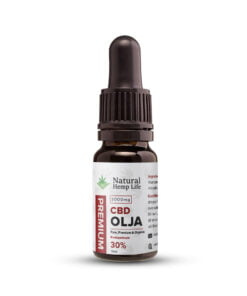
CBD oil for aches and pain

Smerter i ryggen CBD Olie

Senest opdateret: August 2026

Sammenfatning:

  • Smerter kan vise sig som rygbesvær, ledstivhed, ømme muskler efter træning eller vedvarende kroniske gener.
  • Mange oplever, at CBD kan dæmpe uro, støtte restitution og give en mere balanceret hverdag.
  • Uanset om du vælger olie, kapsler eller creme, kan CBD blive et naturligt supplement i din rutine.

Smerter påvirker hverdagen for millioner – fra midlertidige ryggener til langvarige ledsmerter. Interessen for CBD-olie som et THC-frit kosttilskud er derfor vokset. Her gennemgår vi det grundlæggende: smertetyper, hvad det endocannabinoide system (ECS) gør, forskellen på indtag og topikal brug, doseringsprincipper og hvordan du kan tænke i en effektiv, personlig rutine.

Hvad mener vi med smerte?

Smerte beskrives ofte som kroppens alarmsystem. Akut smerte opstår hurtigt ved en skade og aftager typisk, når vævet heler. Kronisk smerte kan derimod vare i måneder – nogle gange uden en tydelig enkeltårsag – og påvirkes af søvn, stress, aktivitetsniveau og mental trivsel.

To personer med samme fysiske påvirkning kan opleve meget forskellig smerte. Det skyldes, at smerte er både fysisk og følelsesmæssig – den farves af vores søvnkvalitet, stressniveau, bevægelse og generelle livssituation.

To hovedkategorier

  • Akut smerte: opstår ved skade eller overbelastning og aftager typisk, når kroppen heler.
  • Kronisk smerte: varer i uger eller måneder og kan være mere kompleks at håndtere (fx rygsmerter, migræne, fibromyalgi, artrose).

Kort om det endocannabinoide system (ECS)

ECS er et netværk af receptorer (CB1/CB2), kroppens egne endocannabinoider og enzymer, der nedbryder dem. Systemet er involveret i bl.a. smertemodulation, stressrespons, søvn og immunbalance.

CBD (cannabidiol) interagerer indirekte med dette netværk. Mange oplever, at CBD kan gøre kroppen roligere, understøtte restitution og skabe bedre rammer for bevægelighed og hverdagsbalance. Se CBD som et naturligt supplement, der kan kombineres med gode vaner.

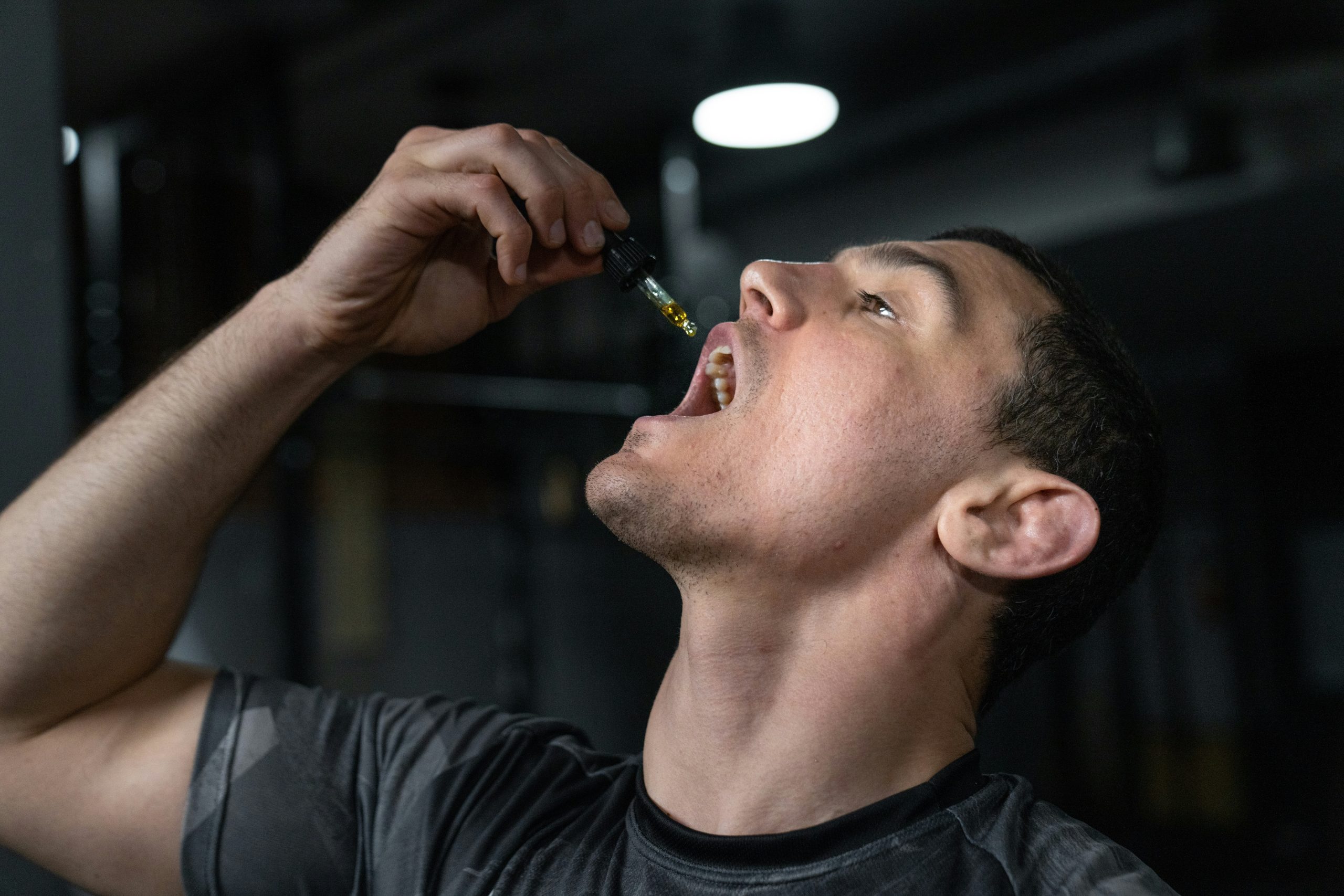
CBD-olie under tungen
Sublingual anvendelse (under tungen) giver typisk hurtigere optagelse end kapsler og fødevarer.

Hvordan kan CBD bruges ved smerter og stivhed?

Der er to hovedveje: indtag (olie, kapsler) og topikal brug (cremer, salver). Mange kombinerer de to. Olie giver et bredere, systemisk løft; creme kan masseres direkte der, hvor generne mærkes.

Indtag (olie & kapsler)

  • Olie under tungen: oplevet effekt ofte inden for 15–45 min.
  • Kapsler/fødevarer: mere diskret, men længere opstart (op til ~2 timer).
  • Velegnet til en fast daglig rutine med præcis dosering.

Reaktion er individuel. Før en kort dagbog over dosis, tidspunkt, søvn og aktivitet – det gør det lettere at evaluere.

Rygbesvær og CBD
Smerteoplevelse påvirkes stærkt af søvn, stress og bevægelse – tænk helhedsorienteret.
Topikal CBD ved lokale gener
Topikale produkter bruges direkte på huden dér, hvor generne mærkes. Massér et tyndt lag 2–3 gange dagligt.

Topikal brug (cremer & salver)

  • Målrettet og lokal oplevelse via hudens receptorer.
  • Praktisk ved overanstrengelse, efter træning eller ved daglige aktiviteter.
  • Kan kombineres med olie/kapsler for et mere komplet setup.

Påfør altid på hel, ren hud. Undgå sår og slimhinder. Test på et lille område ved sensitiv hud.


Our products

-50%
Original price was: 27 €.Current price is: 14 €.
-50%
Original price was: 73 €.Current price is: 37 €.
-50%
Original price was: 99 €.Current price is: 50 €.
-50%
Original price was: 55 €.Current price is: 28 €.
-50%
Original price was: 50 €.Current price is: 25 €.
-50%
Original price was: 91 €.Current price is: 46 €.

Hvad siger forskningen – og hvad oplever brugerne?

Forskningen i CBD og smerte er i udvikling, men mange brugere beskriver fordele i hverdagen: roligere krop, bedre søvn og mere overskud til bevægelse. Det giver mening – når kroppen falder til ro, opleves smerte ofte mindre dominerende. Derfor ser mange CBD som et naturligt supplement i en helhedsorienteret strategi med søvn, bevægelse og restitution.

Læs også: CBD olie mod søvnproblemer og insomni

Hverdagsbesvær hvor CBD ofte indgår

Tilbagevendende rygbesvær

Kombinér en lav aften-dosis olie (for ro og søvn) med topikal creme over området i dagtimerne. Små, regelmæssige bevægelser og blid mobilitet gør en stor forskel.

Træningsrelateret stivhed

Efter hårde pas vælger mange at massere en CBD-creme ind over udsatte muskelgrupper og tage olie om aftenen for bedre nattesøvn og restitution.

Lavintens ledsmerte i hverdagen

En jævn, daglig dosis olie kan opleves som et stabilt fundament gennem dagen. Vælg kapsler, hvis du vil gøre rutinen ekstra nem og ensartet.

Dosering og sikker brug – sådan kommer du bedst i gang

Alle mennesker har et unikt endocannabinoid-system. Reaktion på CBD påvirkes af kropsvægt, stofskifte, søvn og stress. Grundreglen er enkel: start lavt og øg langsomt til du finder din personlige balance. De fleste evaluerer over 2–4 uger.

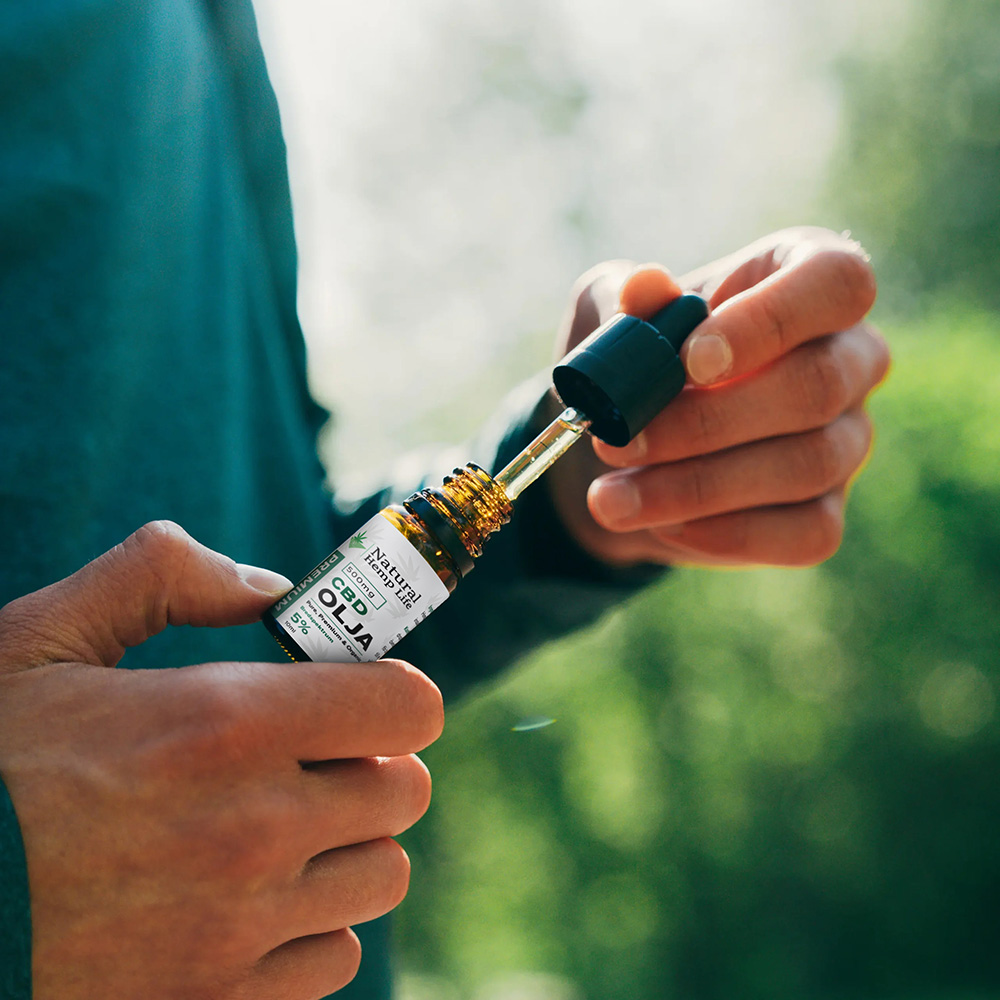
CBD-olie

Dryppes under tungen og holdes i ca. 60 sekunder før synkning. Mange oplever effekt inden for 15–45 minutter.

  • Start: 1 dråbe morgen og aften
  • Øg gradvist efter behov – hold øje med ro, søvn og dagsenergi

Kapsler

Diskret og præcis dosering, typisk oplevet effekt efter 1–2 timer.

  • Start: 1 kapsel dagligt
  • Kan øges til 2–3 kapsler dagligt afhængigt af rutine og mål

Gummies

Nemt og velsmagende – mange tager dem om aftenen som del af en søvnrutine.

  • Typisk: 1–2 gummies dagligt

Topikale produkter

Anvendes lokalt dér, hvor generne føles stærkest.

  • Påfør 1–3 gange dagligt på ren, tør hud
  • Kombinér med blid massage og varme/kulde efter behov

Se vores praktiske vejledning her: Dosering af CBD.

CBD og led, ryg og muskler – tre typiske områder

CBD ved ledgener

Under daglige aktiviteter kan led føles stive eller ømme. Mange oplever, at en kombination af topikal creme og en jævn, lav dosis olie skaber bedre bevægelighed i hverdagen. Olie giver et roligt grundniveau; cremen kan målrettes dér, hvor det mærkes.

CBD ved rygsmerter

Ryggen påvirkes af søvn, arbejdsstilling, stress og muskelbalance. Et simpelt setup, som mange bruger: lav aften-dosis olie for ro/søvn + topikal creme om morgenen og efter behov. Kombinér med små mobiliserende bevægelser og regelmæssige pauser i løbet af dagen.

CBD efter træning

Efter hård træning kan muskler føles ømme. Her vælger flere at massere CBD-creme ind over de belastede muskelgrupper, mens olie om aftenen støtter ro og restitution. God søvn er afgørende for, at kroppen bygger sig stærkere – her rapporterer mange en positiv oplevelse med CBD som en del af aftenrutinen.

Opsummering

Hvis du lever med tilbagevendende rygbesvær, ledstivhed, ømme muskler efter træning eller mere vedvarende gener, kan CBD være et naturligt supplement – ikke en mirakelkur, men en blid støtte, der hjælper kroppen i retning af ro, balance og bedre restitution.

Den bedste effekt opnås som regel, når CBD kombineres med helhedsorienterede vaner: regelmæssig bevægelse, søvnhygiejne, stresshåndtering og nærende mad. Tålmodighed og en enkel dagbog gør det lettere at finde din personlige “sweet spot”.

Praktiske råd for bedst mulig effekt

  1. Definér mål: mindre stivhed morgen/aften? bedre nattesøvn? mere overskud?
  2. Vælg form efter hverdag: olie for hurtig start, kapsler for enkelhed, creme for lokalt fokus.
  3. Hold rutinen: samme tider i 2–4 uger før evaluering.
  4. Før logbog: dosis, tidspunkt, aktivitet, søvn, oplevet niveau (0–10).
  5. Tænk helhed: bevægelse, vejrtrækning, dagslys og pauser gør en stor forskel.
CBD i hverdagen – rutine og opfølgning
En enkel rutine og egen opfølgning gør fremskridt lettere at se.

En konsekvent rutine og løbende opfølgning gør det lettere at se mønstre over tid.

Læs også: CBD olie mod reumatisme og artrose

Ofte stillede spørgsmål (FAQ)

Hvor hurtigt mærker man noget?

Med olie under tungen oplever nogle effekt inden for 15–45 minutter. Kapsler og fødevarer kan tage op til cirka 2 timer. Giv kroppen 2–4 uger med en fast rutine, før du vurderer helhedsindtrykket – især søvn og dagsenergi.

Olie, kapsler eller creme – hvad skal jeg vælge?

Olie giver fleksibel dosering og hurtigere start, kapsler er nemme i en travl hverdag, og creme er ideel til lokal anvendelse. Mange vælger en kombination – fx olie om aftenen for søvn og en topikal creme efter aktivitet.

Hvilken dosis er passende i starten?

Start lavt (fx 1 dråbe morgen/aften), og øg langsomt. Notér ro, søvn og bevægelighed dagligt. Når du har fundet et niveau, der føles stabilt, kan du holde det i et par uger og derefter finjustere. Se vores guide: Dosering af CBD.

Kan CBD bruges sammen med andre tilskud og motion?

Ja. Mange kombinerer CBD med omega-3, magnesium, let styrketræning, gåture og stræk. Det er summen af de gode vaner, der gør forskellen – CBD er ét element, der kan give ro og overskud til resten.

Er jeres produkter THC-fri?

Ja, vores formuleringer er THC-fri. Tjek altid den aktuelle laboratorierapport på produktsiden for fuld transparens.

Læs også: CBD-olie mod fibromyalgi

Cart

Close X